- Have any questions?
- +25472''''''
- info@vclcoldroomcontractors.co.ke

Cold Rooms
Air Conditioners
February 6, 2022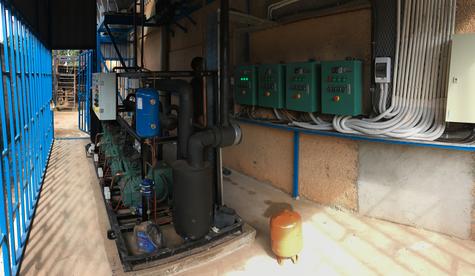
Condensing Units: Everything You Should Know
February 8, 2022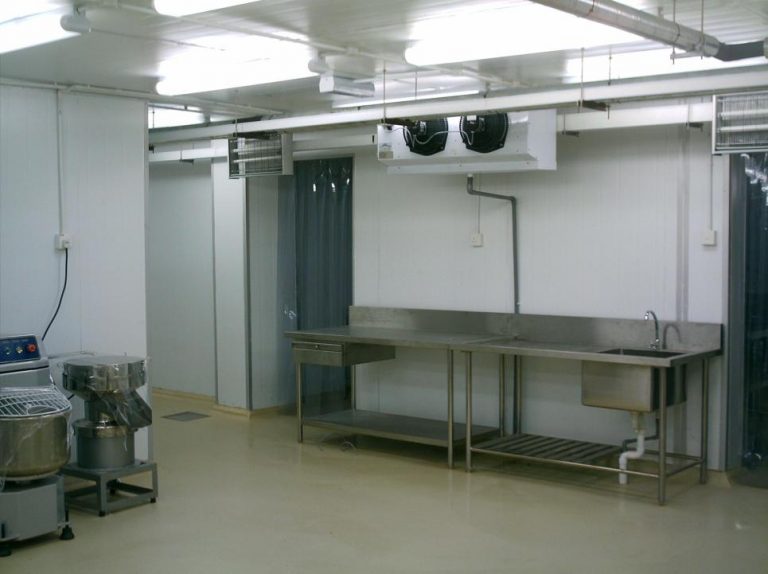
I can’t even begin to imagine life without refrigeration. Most of the things that surround us would be practically non-existent, including your business. The first thing that comes to mind when you think about preserving food and products is a refrigeration chamber cold rooms. You want your products to have a longer life? Here is all you need to know.
WHAT IS A COLD ROOM?
A cold room is a type of refrigeration chamber or insulated space designed to maintain an artificially generated temperature or range of temperatures. Cold rooms are used for storing temperature-sensitive, perishable items, such as food items and pharmaceutical products like vaccines. Cold rooms can vary in size from very small walk-in rooms to very large warehouse storage. The first cold rooms were called snowfields. This was a well with retaining walls, of small or large dimensions, with openings where snow was introduced, and ice was extracted. The purpose was to keep the ice from melting.
What is a cold room made of?
- Polyurethane panel-it includes the entire panel, ceiling panel and room panel.
- Various steel panels fold on the inside and outside wall.
- Curtains made of air wind and in some cases pieces of thick plastic strips.
- Polyurethane foaming material that is used for filling the interstices
- Frozen door
- Ceiling unit cooler, copper pipes which have aluminum radiating fins, quality steel plate outer shell with plastic covering and electro thermal melting frost
- Refrigeration and expansion valve
- Complete electrical automatic control system
- Water flowing pipes, melting frost, preserving cold electric warm wires and heat preservations in the melting water -flowing pipes
- The compressor and condensation unit
- Refrigeration pipe along with heat preservation
From a broader perspective, there are 3 types of cold rooms
Self -contained cold rooms-they are cold rooms where the refrigeration system is a complete package with the evaporator and condenser in one unit. They are built outside of the buildings they serve.
Remote condensing cold rooms-they have the condenser units somewhere rather than directly adjacent to the room and not placed with the evaporator.
Multiplex cold rooms-they are always built directly into the buildings they serve. They use a centralized system with multiple condensing units and evaporators.
WHY USE A COLD ROOM?
Cold rooms provide precise temperature control for commercial facilities where consistent, powerful refrigeration or freezing is required. For food or chemical storage, this means long-term temperature regulation for perishable or unstable products, lowered deterioration rates, and peace of mind knowing that items are preserved in the optimal conditions.
For pharmaceuticals, the FDA indicates current best practices for the warehousing of drugs and requires them to be stored “under appropriate conditions of temperature, humidity, and light so that the identity, strength, quality, and purity of the drug products are not affected.” Cold rooms represent one of the above-mentioned requirements for cold storage of these products.
Some other benefits of Parameter’s cold rooms include:
- Energy Efficiency – Reduce energy costs for storage of samples and other materials. Cold storage units are constructed to prevent fluctuations in temperature, meaning less energy is required to balance and adjust the temperature while in use. This holds true no matter your industry.
- High Product Standards – Guarantee potency of vaccines, drugs, and other sensitive items with cold storage. This can also help improve your company’s reputation and reliability.
- Safety and Security – Medications and medical equipment are highly sensitive and expensive — ensure their safekeeping with locked, weather-proof cold storage units.
Cold storage is also used in transportation of industrial materials and other temperature-sensitive products across industries. In this case, the container has a cooling unit installed to ensure optimal temperature control. Cold rooms, in general, are valued for their precision and power and can maintain specific temperatures over long periods of time.
HOW DO COLD ROOMS WORK?
The design behind cold rooms that allows them to function efficiently isn’t so different from any other refrigeration system. Cold rooms use a compressor, condenser, fans, and an evaporator to maintain temperature within the unit. After a gas refrigerant gets compressed in the compressor it expands, and the gas absorbs energy. The hot gas flowing from the compressor passes over the evaporator coils and, after liquifying under high pressure, this cools the evaporator coils and the surrounding air. In order to maintain temperature, cold rooms must also be efficiently insulated.
WHAT IS THE TEMPERATURE RANGE OF COLD ROOMS?
Most cold rooms will be able to accommodate temperatures between -2°C and 10°C. As for the specific temperature range of a cold room, that depends on what’s being stored inside. For food items such as fresh produce, an ideal cold room temperature ranges between 2 and 8 degrees Celsius. Pharmaceutical ICH storage will require a 5°C with a tolerance of ±3°C. When colder conditions are required, freezer rooms will be the preferred option, able to tune down to -30°C for storage of pharmaceutical products or chemicals. Freezers are also able to provide ultra-low storage needs at -50°C to -80°C.
WHAT CAN BE STORED IN COLD ROOMS?
As for their application, a cold room can be used to store a variety of items across industries. The most common items include biopharmaceutical and pharmaceutical products, textiles, tobacco products, perishable foods, flowers, delicate plants, artworks, and even rare books.
Precise temperature control of certain drugs and medical devices is especially important to prevent material corruption and guarantee usage safety. Laboratory reagents, dialyzers, disinfectant solutions, sterilants, burn treatment products, and dental restorative materials, for example, are all highly temperature sensitive and require routine or consistent refrigeration to be effective. A cold room can be utilized to process or slow down chemical reactions in engineering settings. And as mentioned above, if sensitive materials need to be temperature-regulated during transit, cold rooms can help there too.